Malabar-Marine
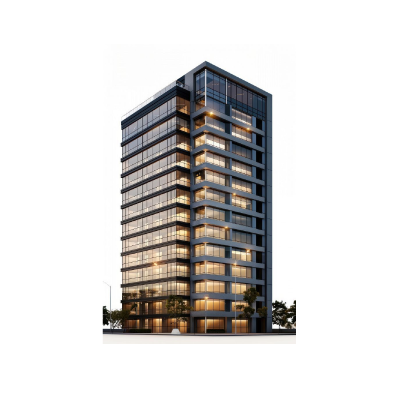
About This Project
Forjett Street (and the surrounding Malabar Hill/Tardeo area) is the "Old Money" heart of Mumbai.
Forjett Street is about generational wealth and architectural heritage.
In 2026, this micro-market is undergoing a massive transformation—moving from quiet, aging bungalows to ultra-luxury vertical estates. Here are 5 points on its beauty and real estate value:
1. The Heritage "Hill" Aesthetic
The beauty of Forjett Street lies in its elevation and greenery. Nestled between the slopes of Malabar Hill and the bustling Tardeo, it offers a "leafy" sanctuary that feels disconnected from the city’s chaos.
Real Estate Angle: Unlike many parts of Mumbai that feel like concrete jungles, Forjett Street retains a colonial-era charm. This "quietude" is a luxury that HNIs (High Net-Worth Individuals) pay a significant premium for.
2. Vertical Luxury & The Redevelopment Boom
2026 is the year of the "Skyscraper Shift." Older 3–5 story buildings are being replaced by high-tech, luxury towers like Terraces Forjett Hill and MICL Aaradhya Avaan.
The Upgrade: New projects are now offering floor-to-ceiling glass, automated parking, and "sky-club" amenities that were previously non-existent in this traditional neighborhood.
Pricing: Average rates in this pocket have climbed to ₹85,000 – ₹1,20,000 per sq. ft. for new-age luxury units.
3. Proximity to the "Golden Mile"
Forjett Street is a short walk from Altamount Road (India’s most expensive street) and Carmichael Road.
Real Estate Value: It serves as a "Value-Luxury" alternative. You get the same elite pin code and neighboring demographic as Altamount Road but often at a 20–30% lower entry price, making it highly attractive for upper-management professionals and business families.
4. Strategic "Mid-Town" Connectivity
While Malabar Hill can feel isolated, Forjett Street is perfectly positioned at the junction of South Mumbai and Central Mumbai.
The Convenience: It offers immediate access to Kemps Corner, Breach Candy, and the Haji Ali junction. For real estate investors, its proximity to Mumbai Central (2 km) and the upcoming Metro Line 3 (Aqua Line) makes it a highly liquid asset—easier to rent or sell than deeper pockets of Malabar Hill.
5. Scarcity & Social Prestige
In real estate, "Land is King," and there is virtually no vacant land left in South Mumbai. Every new square foot in Forjett Street comes from a difficult redevelopment process.
Investment Security: Because the supply is so restricted by geography (the hill) and law (CRZ and heritage norms), the property values here act as a "safe haven" for capital. Prices rarely drop; they only plateau or rise, making it a preferred spot for long-term wealth preservation.
Future Growth Points (Quick Snapshot)
Coastal Road Impact: The nearby entries at Haji Ali and Marine Drive have significantly cut down travel time to the suburbs.
Metro 3 Completion: The underground Aqua Line provides a direct, air-conditioned commute to the BKC business hub in under 20 minutes.
Institutional Hub: Proximity to world-class hospitals (Jaslok, Bhatia) and elite schools (Cathedral, Villa Theresa) ensures permanent demand.
Modernization of Infrastructure: Ongoing widening of internal lanes and upgraded municipal utilities are modernizing the "village" feel of the hills.
Rental Demand from Expats: As South Mumbai remains the diplomatic and corporate seat, Forjett Street continues to command massive monthly rentals (₹2.5 Lakh – ₹5 Lakh for luxury 3BHKs)
Project Timeline
Project Started
January 1, 2026
Expected Completion
January 1, 2030
Completed On
January 1, 2030
Interested in This Project?
Get in touch with our team for detailed information, site visits, and investment opportunities.